

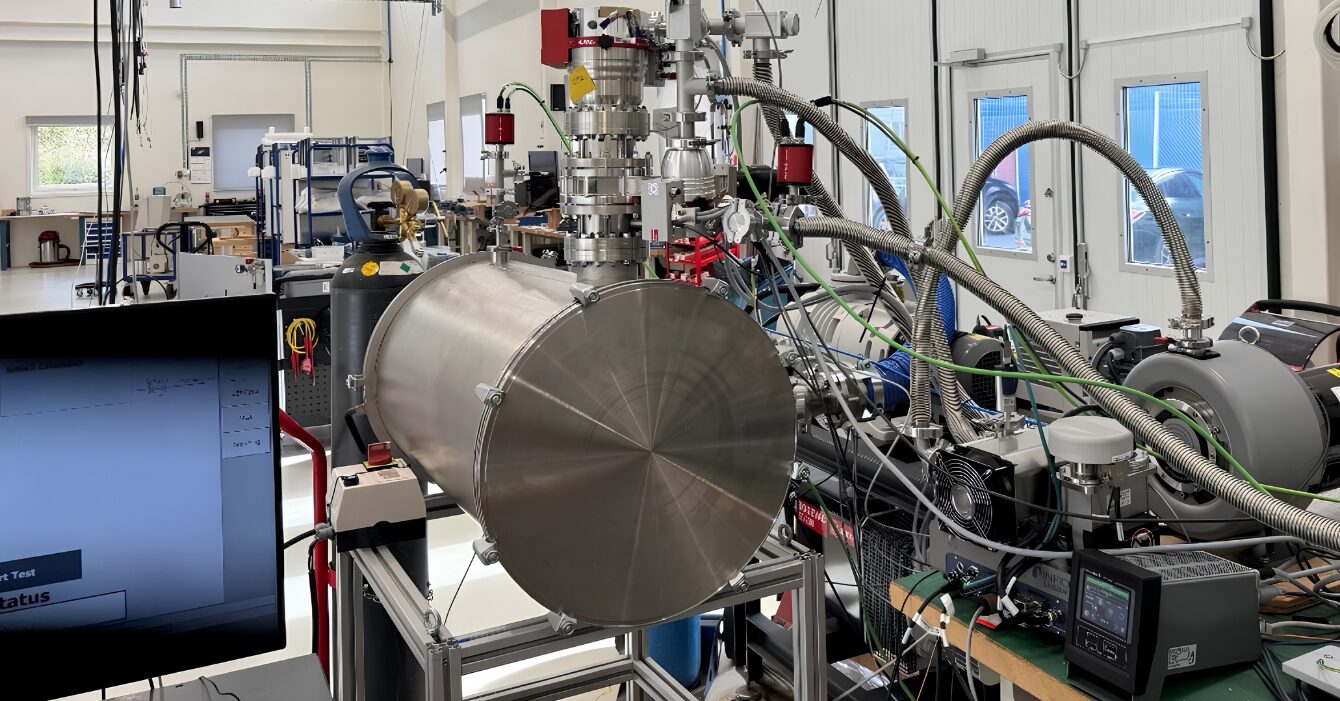
If you are overseeing the launch or expansion of an electric vehicle battery line, your primary target is likely throughput. EV production is no longer a niche, low-volume race; it’s a massive scaling exercise. But as production lines speed up and component designs evolve, quality control teams face a unique engineering challenge: managing the high volume of tracer gas required to test massive physical structures.
Smart Resource Management for a More Sustainable Factory Floor
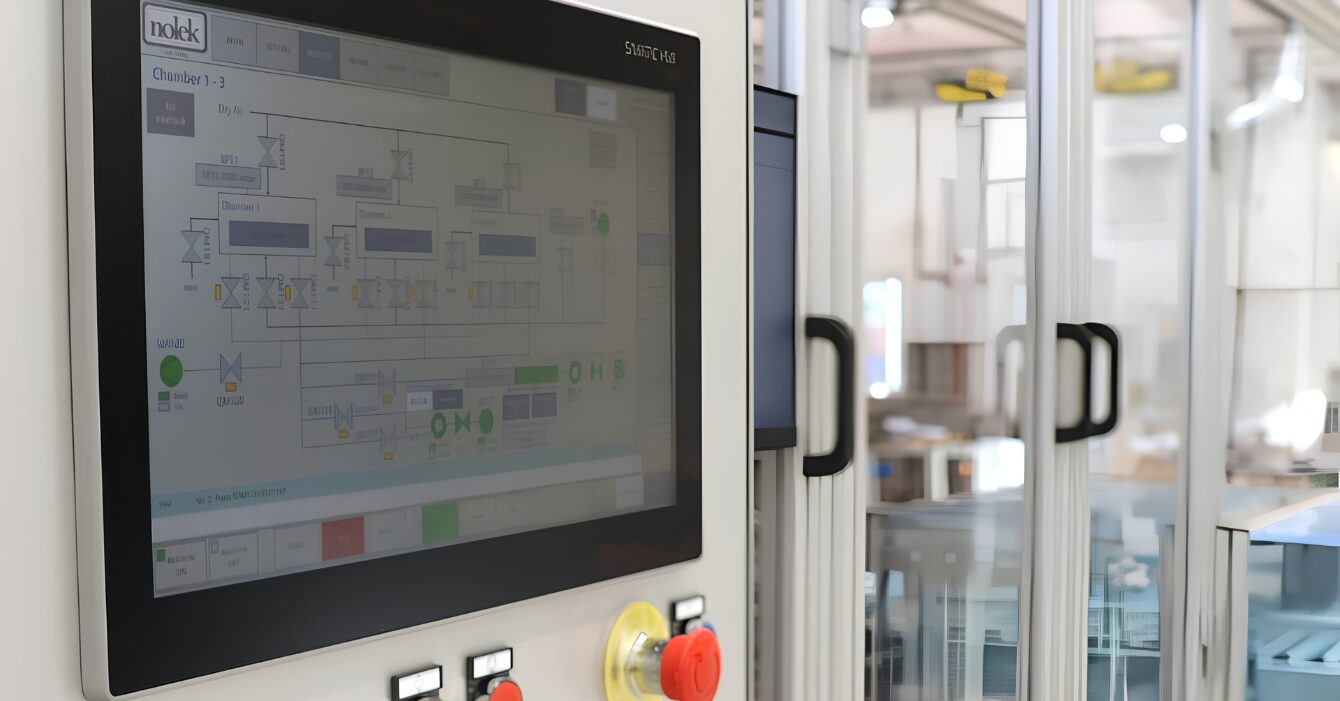
When industrial manufacturers talk about sustainability, the conversation usually revolves around solar panels, energy-efficient lighting, or switching to electric vehicles. Carbon accounting software tallies up raw materials, shipping emissions, and electricity bills. But there is another area where quality control teams are discovering meaningful environmental wins, and it sits right inside the tracer gas testing bay.
Keeping Your Production Lines Moving with a Flexible Gas Strategy
Ask any plant manager what keeps them up at night, and they probably won’t say global economics. They will say bottlenecks. When a high-volume assembly line slows down at the testing bay, everything upstream backs up, and everything downstream grinds to a halt.
Finding the Perfect Balance in Your Leak Testing Toolkit
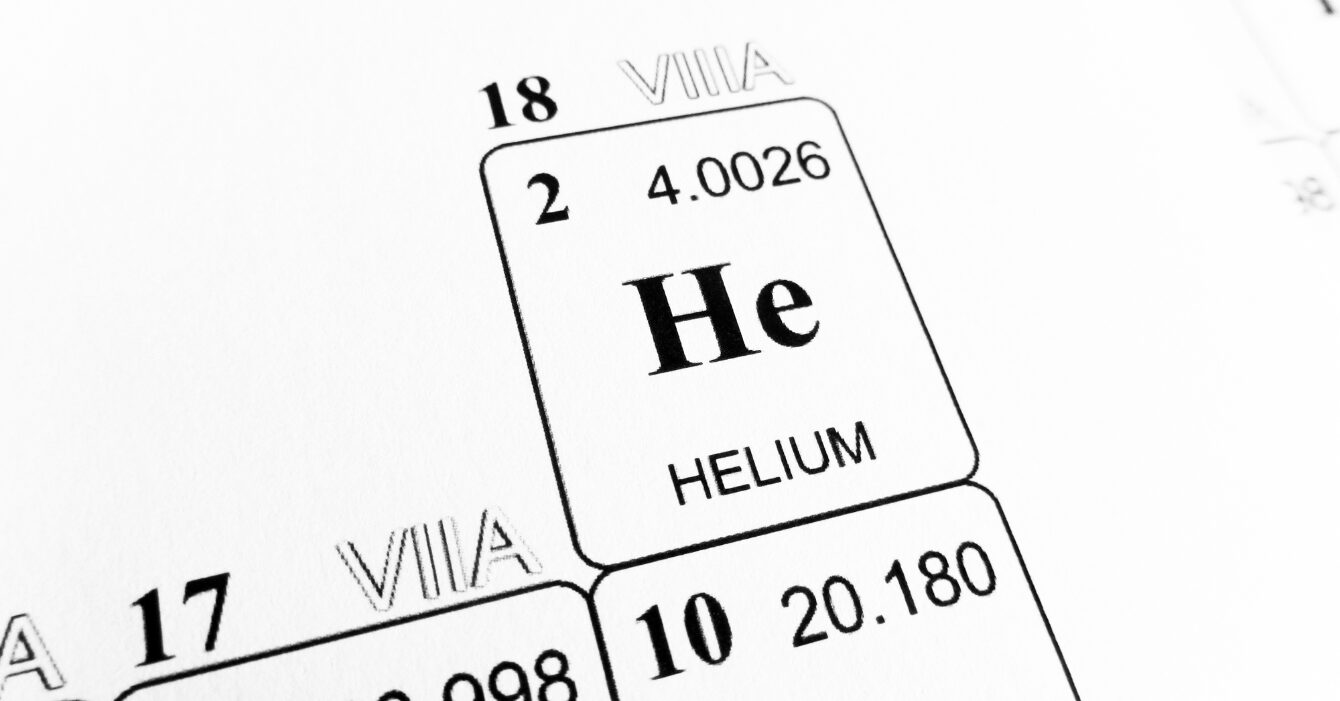
For decades, helium has been the standard for high-sensitivity industrial leak testing. If you are looking for microscopic leaks in highly critical components, its small atomic size and low background concentration make it irreplaceable. It’s a fantastic tool, and for many applications, it’s not going anywhere.