

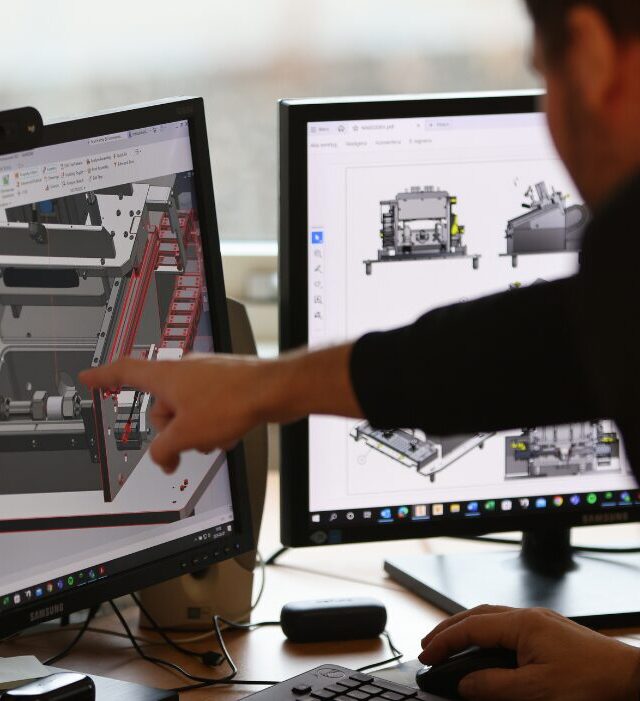
Picking the Perfect Tracer Gas for Your Production Line
If you are setting up or optimising a manufacturing line, you know that ensuring product integrity is a top priority.
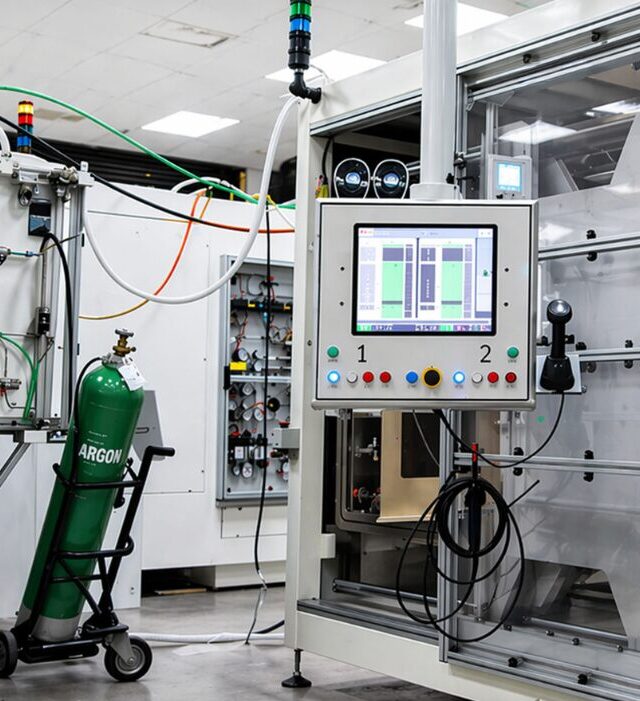
How Argon Can Streamline Your Leak Testing Costs
Every manufacturing manager knows the daily balancing act of delivering perfectly sealed products while keeping production costs in check.
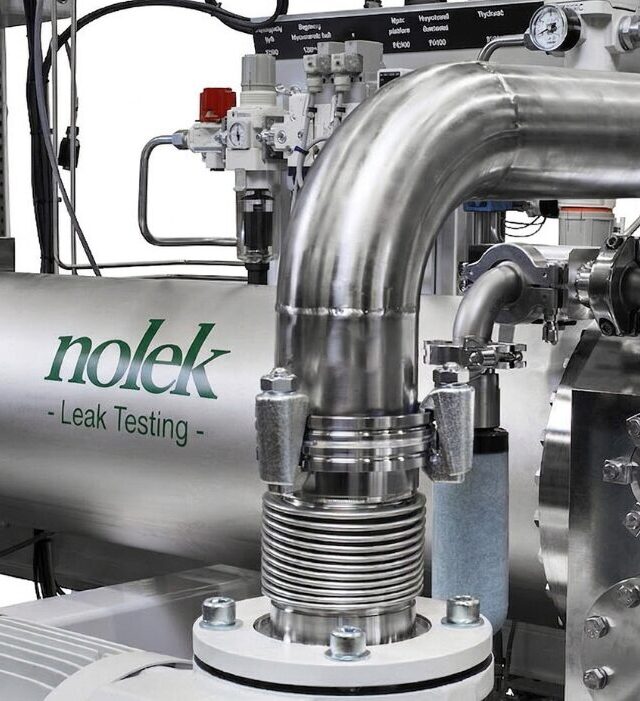
Smart Ways to Keep Your Lines Moving When Helium is Scarce
If you are setting up or optimising a manufacturing line, you know that ensuring product integrity is a top priority.
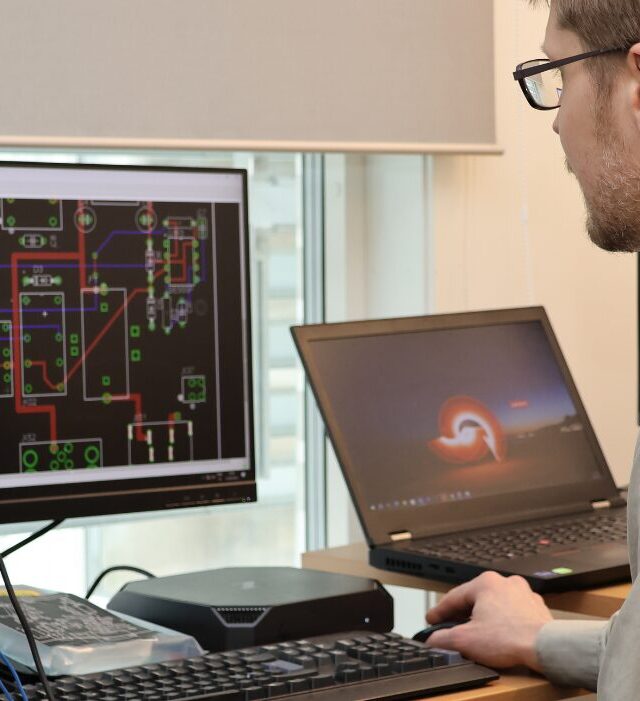
What We Learned From Testing High Pressure Heat Pumps with Argon
At Nolek, we have spent years helping manufacturers perfect their leak testing lines, and recently, we began exploring a fresh approach

Optimising Your EV Battery Testing Line with a Smart Multi-Gas Approach
If you are overseeing the launch or expansion of an electric vehicle battery line, your primary target is likely throughput.
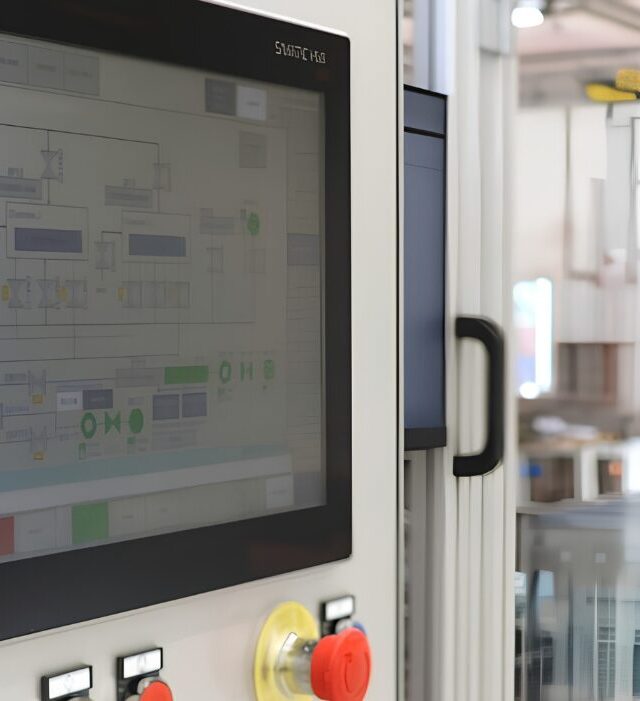
Smart Resource Management for a More Sustainable Factory Floor
When industrial manufacturers talk about sustainability, the conversation usually revolves around solar panels or switching to electric vehicles.
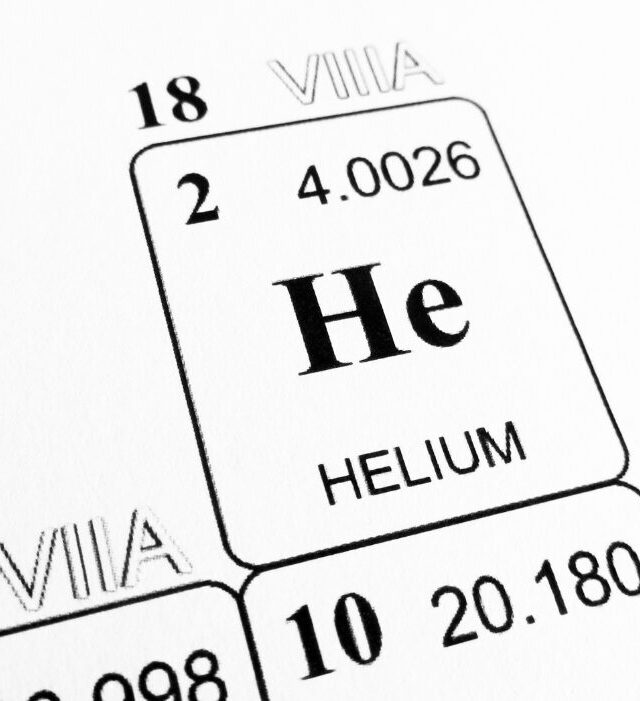
Finding the Perfect Balance in Your Leak Testing Toolkit
For decades, helium has been the standard for high-sensitivity industrial leak testing.
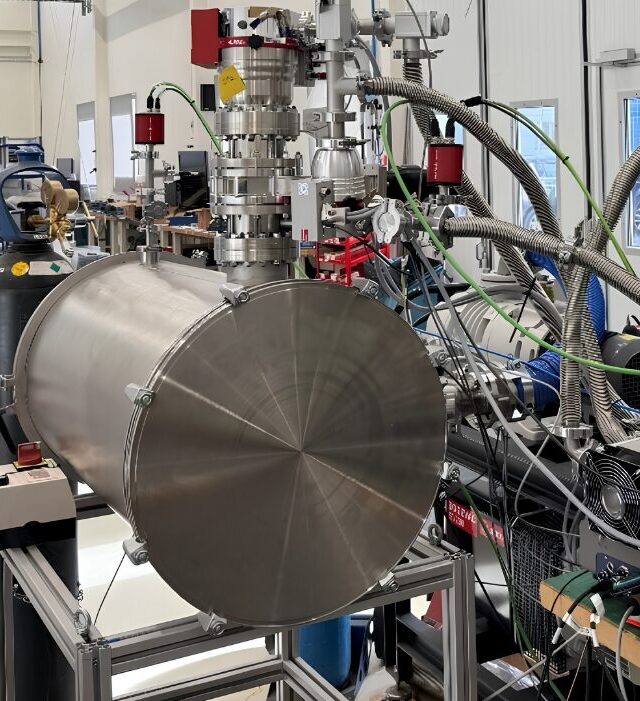
Keeping Your Production Lines Moving with a Flexible Gas Strategy
Ask any plant manager what keeps them up at night, and they probably won't say global economics. They will say bottlenecks. When a high-volume assembly line slows down at the testing bay, everything u
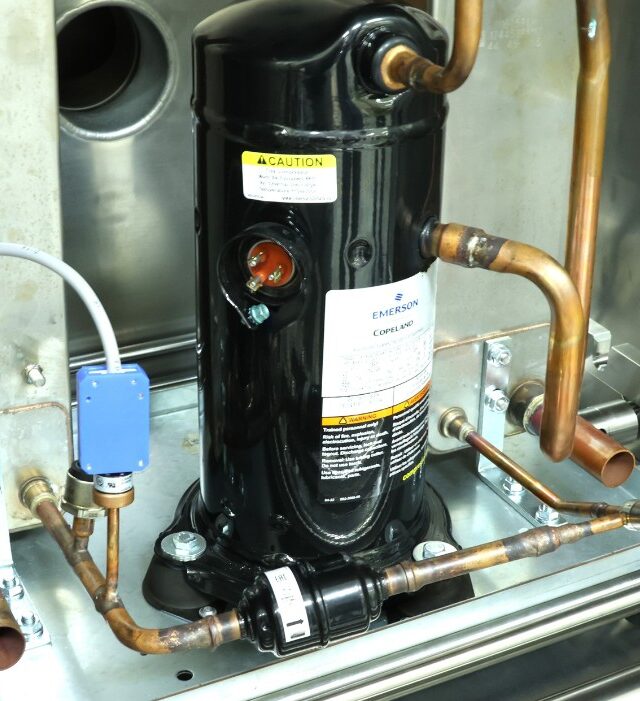
Securing HVAC Quality in the Age of A2L and Automation
For the Test Engineer, it’s a Tuesday morning: the helium background noise is climbing, your legacy pressure-decay fixtures are throwing false fails, and the line is backing up. For the Operations D
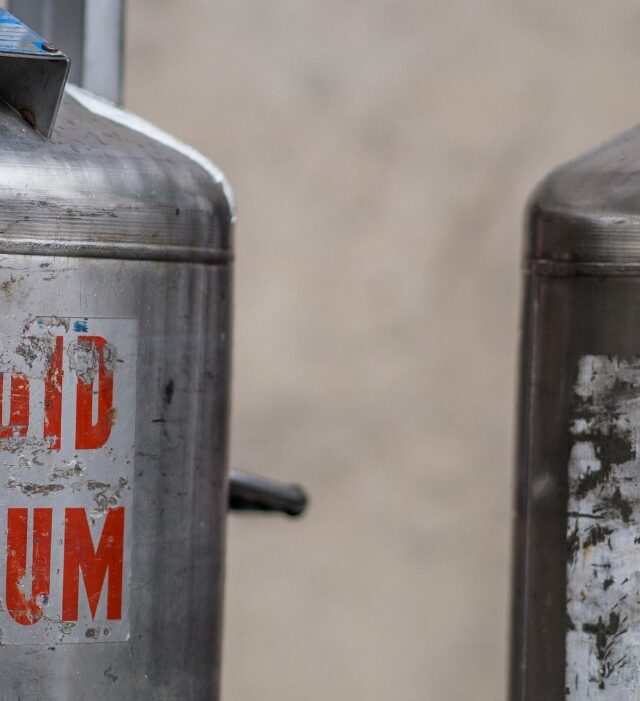
From Helium Dependency to Risk Resilience: Reducing Testing Volatility
Helium prices are notoriously volatile, often dictated by global supply chain shocks rather than manufacturing demand. Your production budget shouldn’t be at the mercy of a single gas; it’s time t
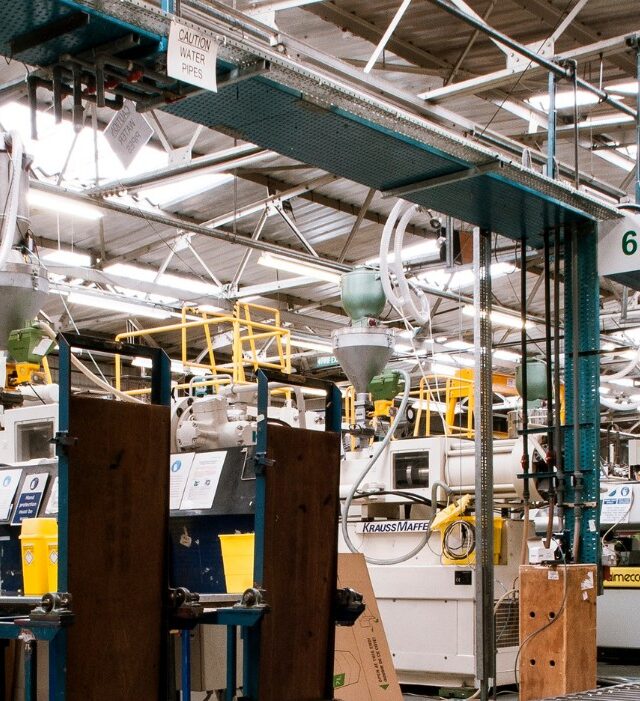
Overcoming Production-Floor Challenges: Accuracy at Scale
Industrial environments are messy, vibrating, and thermally unstable. Helium is elusive, prone to "ghost" signals and background contamination. How do you maintain 10-5 mbar l/s sensitivity when the r
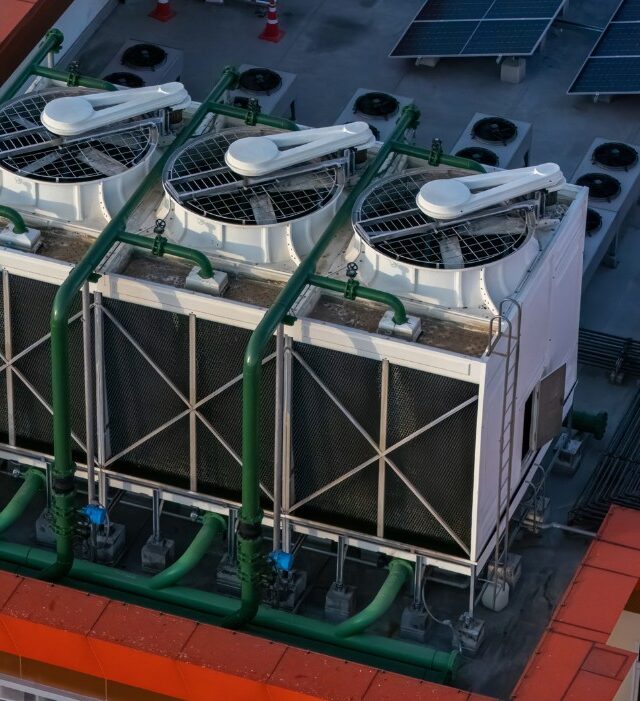
Why Micro-Leaks Threaten the AI Revolution
Liquid cooling is the lifeblood of the modern Data Centre, but a single drop of coolant in the wrong place can darken a billion-Euro facility...