As the global HVAC industry shifts toward flammable A2L refrigerants and high-pressure natural alternatives like Propane (R290) and CO2, “tight enough” is no longer a legal or safe standard. In 2026, a leak is more than a performance issue; it is a significant safety and environmental liability.
The New Refrigerant Reality
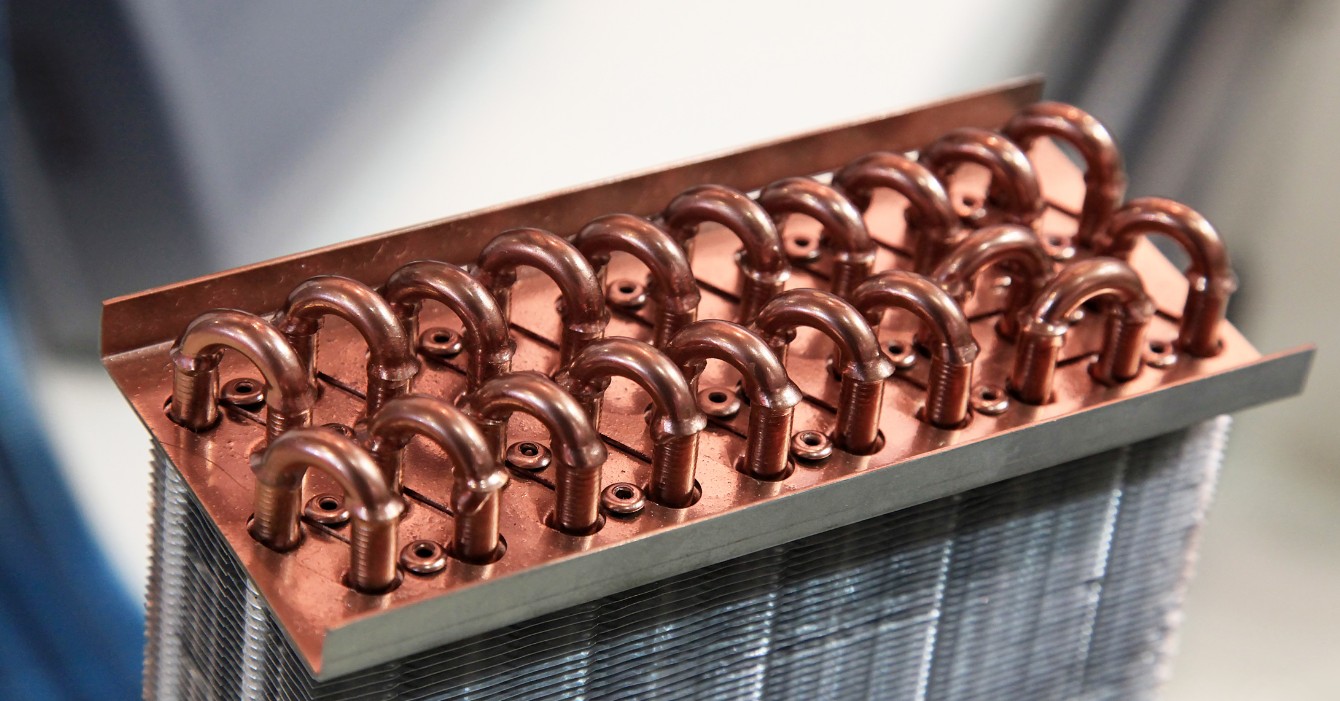
The F-Gas Regulation and the global push for low-GWP (Global Warming Potential) solutions have fundamentally changed the requirements for heat exchanger (HX) manufacturing. Transitioning to mildly flammable A2L refrigerants (such as R32 or R454B) or highly flammable R290 requires a level of hermetic integrity that traditional pressure decay testing simply cannot guarantee.
Micro-leaks that were once considered “acceptable” in R410A systems now pose risks of gas accumulation and ignition. To meet these demands, manufacturers must adopt more rigorous, sensitive, and traceable testing protocols.
The 2026 Protocol: A Layered Defence
Nolek recommends a multi-stage testing roadmap to ensure that heat exchangers are “future-proofed” against evolving safety standards:
- Pre-Braze Component Screening
Before a heat exchanger is even assembled, individual tubes and headers should be screened. Using Nolek’s high-precision instruments, such as the Nolek n50, manufacturers can identify material defects or hairline fractures before they are buried in a complex assembly.
- Post-Braze Vacuum Validation
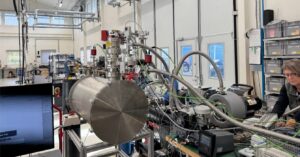
The brazing process is the most common point of failure. A “Hard Vacuum” helium test is the only reliable way to detect the leaks required for modern safety compliance. This process involves evacuating the HX and placing it in a vacuum chamber, where helium is used as a tracer gas to find even the smallest porous weld.
- Integrated Moisture Removal
One of the most significant benefits of Nolek’s vacuum-based systems is the secondary effect of moisture removal. By pulling a deep vacuum during the leak test, you simultaneously remove residual humidity, preventing the formation of acids that can corrode the system from the inside out over its 15-year lifespan.
Navigating Regulatory Demands (UL & CE)
Current quality specifications are increasingly demanding evidence of UL joint-testing and CE compliance. Our supporting software provides the digital audit trail required by these bodies. In the event of an inspection, your facility can provide serial-linked data proving that every joint passed a calibrated, automated test.
The Nolek Advantage: Bespoke Engineering for HVAC
With 75% of our business focused on the HVAC sector, we understand that no two production lines are identical. Our “Total Solution” approach means we don’t just sell a machine; we design the fixtures and purge paths that ensure your components are testable at high speeds without sacrificing accuracy.
The QA Manager’s 2026 Checklist
- Sensitivity: Can your current equipment detect leaks at 10-6 mbar l/s or better?
- Refrigerant Compatibility: Is your testing protocol validated for flammable A2L or R290 gases?
- Traceability: Can you pull up the leak-rate data for a specific unit sold 18 months ago?
- Process Control: Is moisture removal integrated into your testing cycle?
If you answered “No” to any of the above, your production line may be exposed to significant risk as regulations tighten.