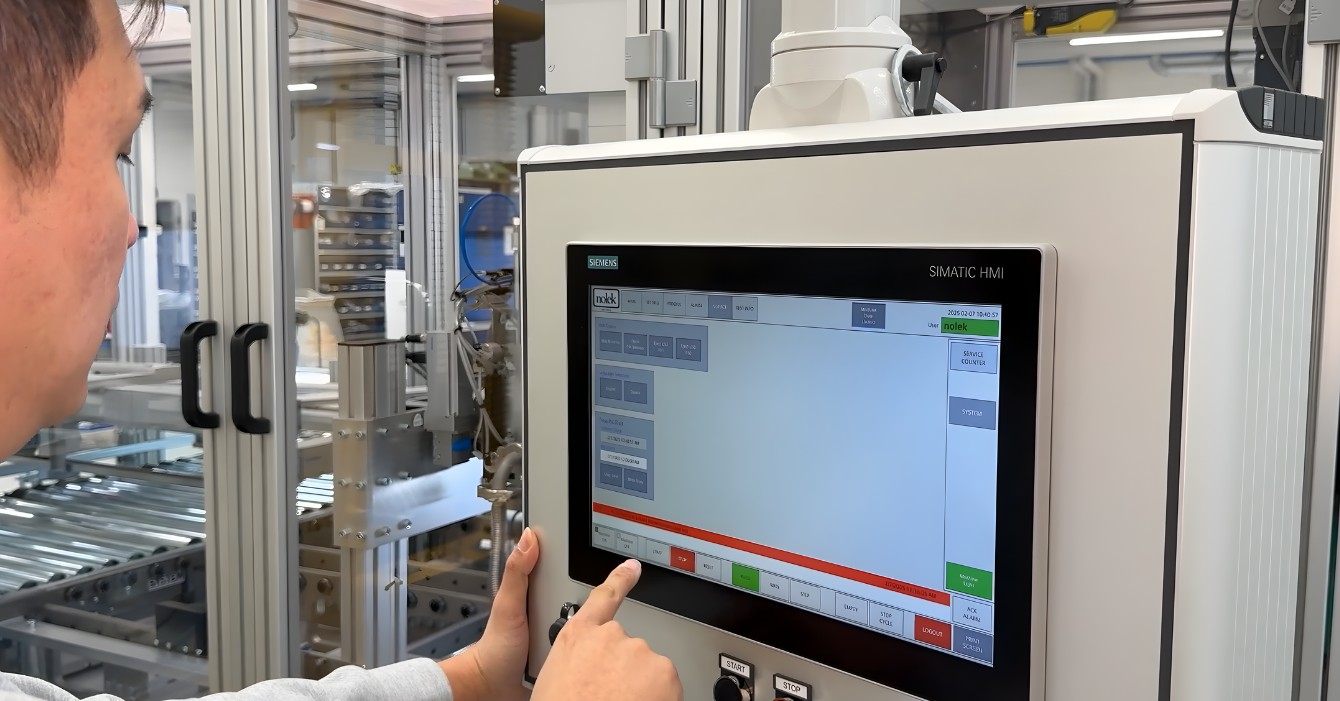
Manufacturers generate more leak test data today than ever before. Yet many plants still treat the information as a simple pass-fail record, filed away for audits rather than used to improve performance. Real-time insight changes this. When leak test data is monitored continuously, it becomes a powerful tool that prevents deviations, stabilises production, and strengthens audit readiness.
This article explores how real-time data, alerts, and smart thresholds transform leak testing from a compliance requirement into a proactive quality asset.
Why Real-Time Data Matters More Than Raw Results
Pass-fail outcomes tell you what happened. Real-time analysis tells you why it happened, when it began, and how to stop it from recurring.
A modern production line needs more than static leaks reports. Real-time visibility helps teams spot:
- Gradual drifts in sealing performance
- Outlier patterns that suggest fixture wear
- Sensor behaviour changes indicating upcoming calibration needs
- Process variations linked to operators, batches, or environmental factors
- Incorrect recipe settings or mounting inconsistencies
These small signals are early warnings of bigger problems. When detected in real time, they prevent costly deviations and unnecessary scrap.
The Three Layers of Data That Make a Difference
Real-time leak test monitoring focuses on three actionable layers.
1. Trends
Trend lines show the direction of the process. Small shifts over hours or days indicate sealing, fixture, or equipment changes before they exceed limits.
2. Alerts
Alerts notify operators when values approach pre-set thresholds. They encourage intervention before failures occur.
3. Thresholds
Custom thresholds allow quality teams to define acceptable process windows, not only minimum standards. These windows guide operators and help keep production stable.
Our CES platform supports this structure with automatic data logging and traceability, linking readings to serial numbers, recipes, and lot information for deeper analysis .
How Real-Time Testing Prevents Quality Problems
Manufacturers who use live data typically see improvements across multiple areas.
Fewer Deviations
Drift is caught early. Fixture wear becomes obvious. Operators adjust processes before defects accumulate.
Faster Investigations
With time-stamped records and consistent measurement stability, teams can pinpoint exactly when and where an issue started.
Better Calibration Management
Instead of waiting for scheduled intervals, calibration can be triggered by data trends, reducing downtime and service cost.
More Predictable Yield
When the test process is stable, the overall line becomes more predictable.
Integrating Real-Time Leak Test Data With Operations
The most effective systems feed directly into existing operational frameworks, including MES, ERP, and quality dashboards.
Examples include:
- Automatic data transfer to traceability systems
- Role-based access for QA, engineering, and operations
- Batch-level summaries for supervisors
- Timestamped audit trails for regulatory inspections
- Integration with digital maintenance systems
These features reduce manual paperwork and prevent data gaps.
How Nolek Supports Real-Time Visibility
Our approach supports digital quality transformation through:
- Unit-level data logging with secure audit trails suitable for regulated industries
- Stable instrumentation that ensures consistent trend accuracy across long production cycles
- Fast cycle times that provide high-volume data streams for statistical analysis in electronics manufacturing
- Fully configurable thresholds and alerts tied to product-specific recipes
- Cleanroom-ready designs for pharma and MedTech sites that require hygienic, contamination-resistant hardware
By combining clean data, reliable measurement, and easy integration, Nolek helps manufacturers turn leak testing into a source of actionable insight.
Wrapping Up
Leak testing provides far more value than a pass-fail verdict. When data is captured, analysed, and acted on in real time, it strengthens process control, supports predictive maintenance, and increases yield. It also prepares manufacturers for audits with fully traceable, timestamped records.