When it comes to packaging for pharmaceuticals and sterile injectables, leak testing is not optional. Whether you are producing parenteral vials, syringes, plasma bags or blister packs, a compromised seal can put patients at risk and result in product recalls, failed audits or costly downtime.
Choosing the right leak detection method depends on your packaging type, production volume and risk profile. Two of the most widely used technologies are Vacuum Decay and Helium Leak Detection. In this article, we break down how they work, where they shine and how to decide which is right for your application.
Why Leak Testing Is Essential
Global regulations including USP <1207>, EU GMP Annex 1 and FDA CFR 21 Part 211 all require proof of Container Closure Integrity (CCI). That means packaging must consistently prevent contamination throughout its lifecycle.
Whether your packaging is flexible, semi-rigid or rigid, CCI testing helps verify that each unit meets the required standards for safety, stability and compliance.
Method 1: Vacuum Decay
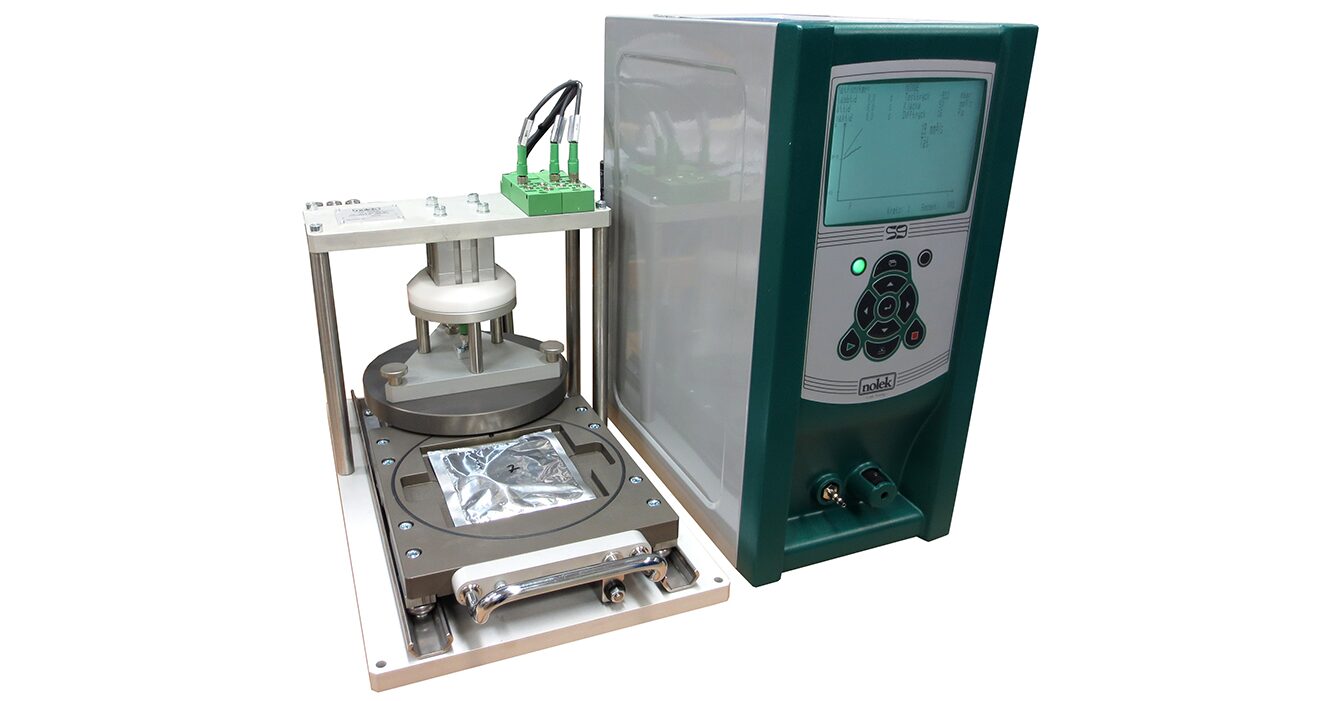
Vacuum decay detects leaks by applying a vacuum around the product and measuring pressure changes that indicate air escaping from the package.
Best suited for:
- Blister packages
- Sachets and flexible pouches
- Bottles and cans
- Parenteral vials and syringes
Key benefits:
- Non-destructive and repeatable
- Compatible with high-speed, inline systems
- Recognised by USP <1207> and Annex 1
Lower cost of ownership compared to tracer gas systems
Considerations:
- Limited sensitivity for sub-micron leaks
- Test performance can be affected by temperature shifts or flexible materials
- May require tailored fixturing for non-rigid packages
Method 2: Helium Leak Detection
This approach uses helium gas to detect even the smallest leaks. The product is pressurised or filled with helium, and any escaping gas is identified using a mass spectrometer.
Best suited for:
- High-risk or high-value products
- Clinical trial batches
- Biologics and oncology drugs
- Plasma bags or pouches where micro-leak detection is critical
Key benefits:
- Extremely high sensitivity (down to sub-micron levels)
- Ideal for flexible and complex geometries
- Supported by USP <1207> and ASTM F2391
- Effective for both rigid and flexible formats
Considerations:
- Higher investment and operating costs
- Typically used offline rather than inline
- Hermetically sealed packages need a separate He-bombing chamber
- Requires handling of tracer gas and specialised equipment
Side-by-Side Comparison
|
Feature |
Vacuum Decay |
Helium Leak Detection |
|
Sensitivity |
Moderate (≥5 µm) |
Very high (sub-micron) |
|
Packaging compatibility |
Blisters, bottles, pouches, vials |
All formats including flexible |
|
Destructive? |
No |
No |
|
Speed |
Fast, inline capable |
Slower, typically batch-mode |
|
Equipment cost |
Lower |
Higher |
|
Use case focus |
Routine CCI in production |
High-risk or specialty testing |
Our View
We understand that every production line has different needs. That’s why we offer a variety of custom solutions in both vacuum decay and helium leak testing, along with the experience to help you choose the right solution for your packaging type, validation goals and compliance requirements.
From plasma bags and blister packs to syringes and flexible pouches, we work with pharmaceutical manufacturers to balance performance, cost-efficiency and regulatory readiness. Our systems are CFR Part 11 compliant and backed by validation support for IQ/OQ, documentation and integration.
Choosing the Right Method
There is no single best leak testing method for all scenarios. The right choice depends on your product, packaging and process priorities.
- Use vacuum decay for cost-effective, non-destructive testing across a wide range of formats.
- Use helium leak detection when your application demands the highest level of sensitivity and precision.
Need help evaluating your options?
Contact our team for a tailored consultation.